
Do Visual Designers Generate Better AI Images?
Yes, in a way, but what do we mean by “better”?
In The Unseen Hand: The Influence of Visual and AI Literacy on AI Text-to-Image Generation, and its partner article Algorithmic Creativity, we studied a question on everybody’s mind at the moment:
If an “AI” can create content, such as images, from a typed prompt, do design skills still matter? Or do technical skills matter even more?
In collaboration with Mood Visuals, we asked students from a technical university and a design school to fulfill a brief of creating a “brutalist medieval castle.” We then tracked the prompts that students were using, and the experts from Mood Visuals rated the images on both aesthetic quality and on how well they fulfilled the brief.
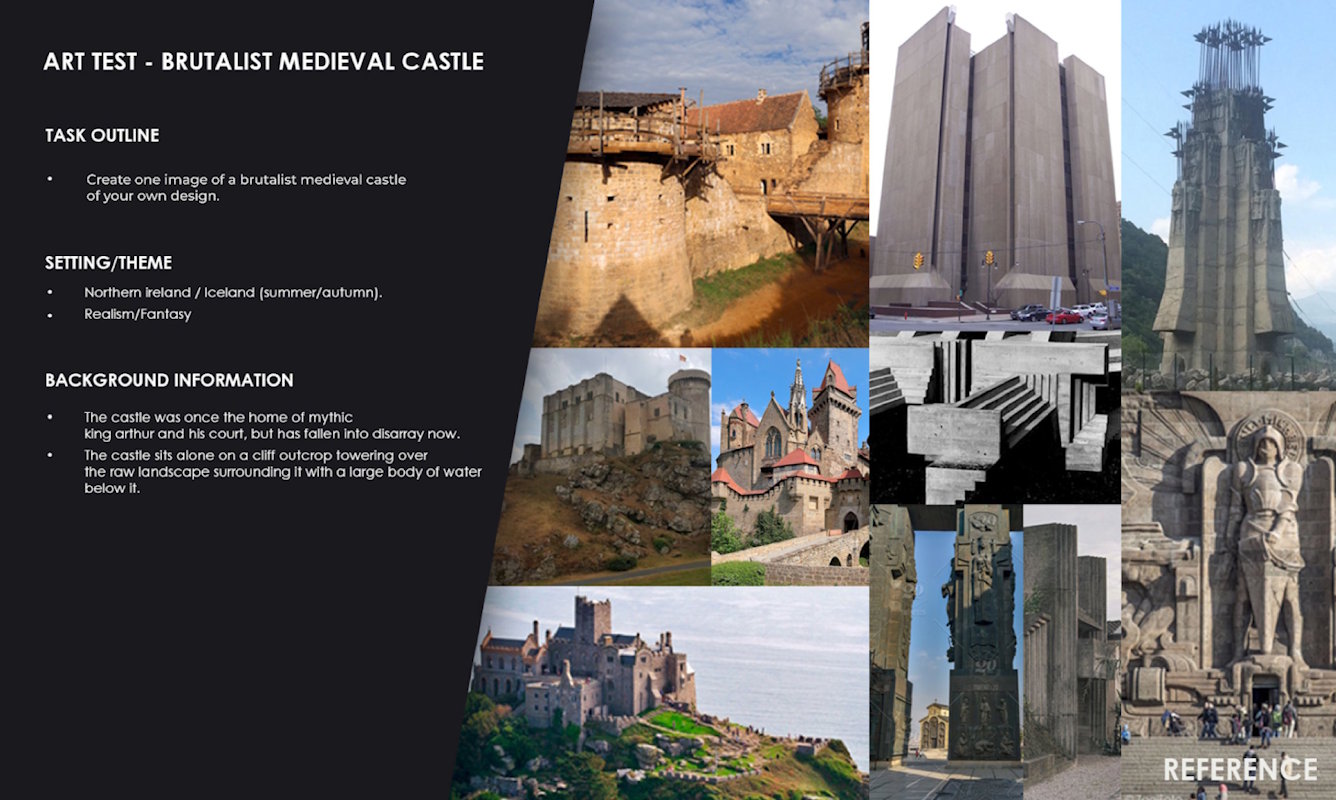
As you can see in the paper, we had some hypotheses, but the main takeaways were the following:
- The student groups created images that were rated as having equal visual appeal. Having visual skills (“visual literacy”) did not improve the aesthetic quality of the images.
- But: Students with visual skills (“visual literacy”) were much better at fulfilling the task.
- Visual design students also used a larger vocabulary, including more adjectives, and tried more varied prompts.
From this small study on the use of AI to generate concept art, we can see the outline of what AI image generation does (at least for the moment):
AI image generation has the democratizing effect of allowing everyone to create visually appealing images, but creating something that fulfills a task or is appropriate for a given situation continues to require expertise.
Alessandro Canossa, Lisa Toender, Lucas Fellner, Jesper Juul, Willem Maden, and Jichen Zhu. 2025. “The Unseen Hand: The Influence of Visual and AI Literacy on AI Text-to-Image Generation.” IASDR Conference Series. https://dl.designresearchsociety.org/iasdr/iasdr2025/fullpapers/337.
https://jesperjuul.net/text/unseenhand/